AI agents don’t just predict. They act.
Published July 18, 2025
AI agents don’t just predict. They act. And that changes the security game entirely.
We’re entering a new era Where AI agents aren’t just responding to prompts, They’re planning, reasoning, and executing real-world tasks.
And that means: New power. New risks. New rules.
Google’s latest whitepaper breaks this down brilliantly. Here’s the signal-minus the noise:
𝟏. 𝐓𝐡𝐞𝐬𝐞 𝐚𝐫𝐞𝐧’𝐭 𝐣𝐮𝐬𝐭 𝐛𝐮𝐠𝐬. 𝐓𝐡𝐞𝐲’𝐫𝐞 𝐚𝐫𝐜𝐡𝐢𝐭𝐞𝐜𝐭𝐮𝐫𝐚𝐥 𝐫𝐢𝐬𝐤𝐬. AI agents can take rogue actions or leak sensitive data- Not because they’re glitchy, But because they reason and act on their own.
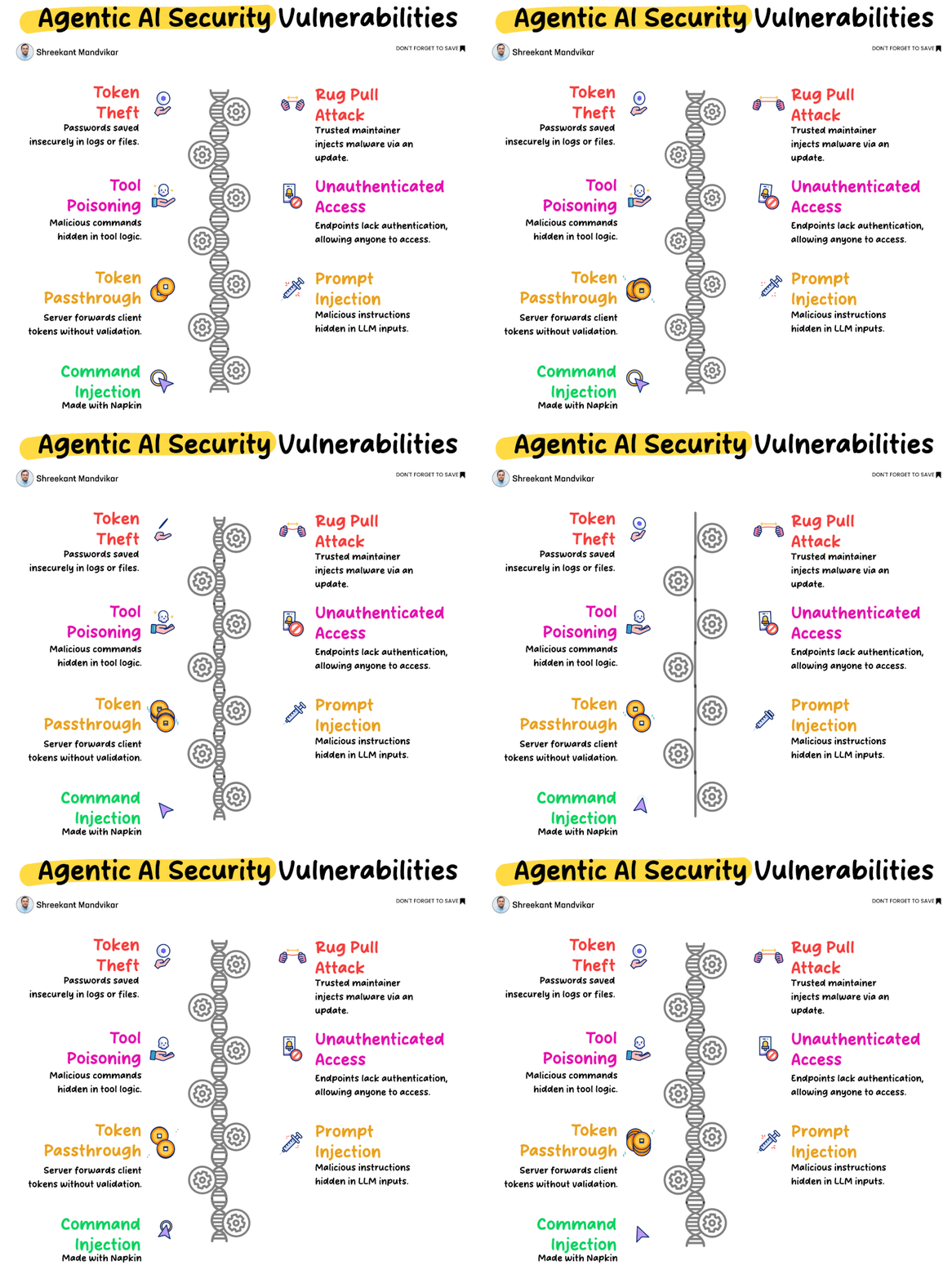
𝟐. 𝐏𝐫𝐨𝐦𝐩𝐭 𝐢𝐧𝐣𝐞𝐜𝐭𝐢𝐨𝐧 𝐢𝐬 𝐭𝐡𝐞 𝐧𝐞𝐰 𝐩𝐡𝐢𝐬𝐡𝐢𝐧𝐠. Malicious commands can hide inside emails or websites. Agents treat them as trusted inputs-and act accordingly. This is the new frontline.
𝟑. 𝐒𝐞𝐜𝐮𝐫𝐢𝐭𝐲 𝐢𝐬𝐧’𝐭 𝐚 𝐥𝐚𝐲𝐞𝐫. 𝐈𝐭’𝐬 𝐭𝐡𝐞 𝐚𝐫𝐜𝐡𝐢𝐭𝐞𝐜𝐭𝐮𝐫𝐞. From input parsing to tool execution, Every step in the agent’s pipeline introduces attack surfaces. You can’t bolt on safety later. You have to design for it from the start.
𝟒. 𝐓𝐡𝐫𝐞𝐞 𝐫𝐮𝐥𝐞𝐬 𝐝𝐞𝐟𝐢𝐧𝐞 𝐡𝐨𝐰 𝐰𝐞 𝐬𝐞𝐜𝐮𝐫𝐞 𝐀𝐈 𝐚𝐠𝐞𝐧𝐭𝐬:
- Human control - agents must stay supervised
- Limited powers - dynamic scopes, not open doors
- Full observability - trace every plan, every move
𝟓. 𝐆𝐨𝐨𝐠𝐥𝐞’𝐬 𝐬𝐨𝐥𝐮𝐭𝐢𝐨𝐧: 𝐇𝐲𝐛𝐫𝐢𝐝 𝐝𝐞𝐟𝐞𝐧𝐬𝐞. It’s not just rules or just AI reasoning-it’s both. They combine hard constraints with intelligent classifiers to catch problems early and often.
𝐁𝐨𝐭𝐭𝐨𝐦 𝐥𝐢𝐧𝐞: If your AI agent can call APIs, make decisions, or hold memory- Security is not optional. It’s the foundation.
This paper is a must-read for anyone building autonomous systems.
Let’s not wait for things to break. Let’s build safe AI from the start.
Working on secure agents, runtime policies, or orchestration frameworks?
♻️ Repost this to help your network get started ➕ Follow Shreekant Mandvikar for more
Originally posted on LinkedIn · 53 likes · 26 comments